Fixed robotic cells

IROCUBE
Cell

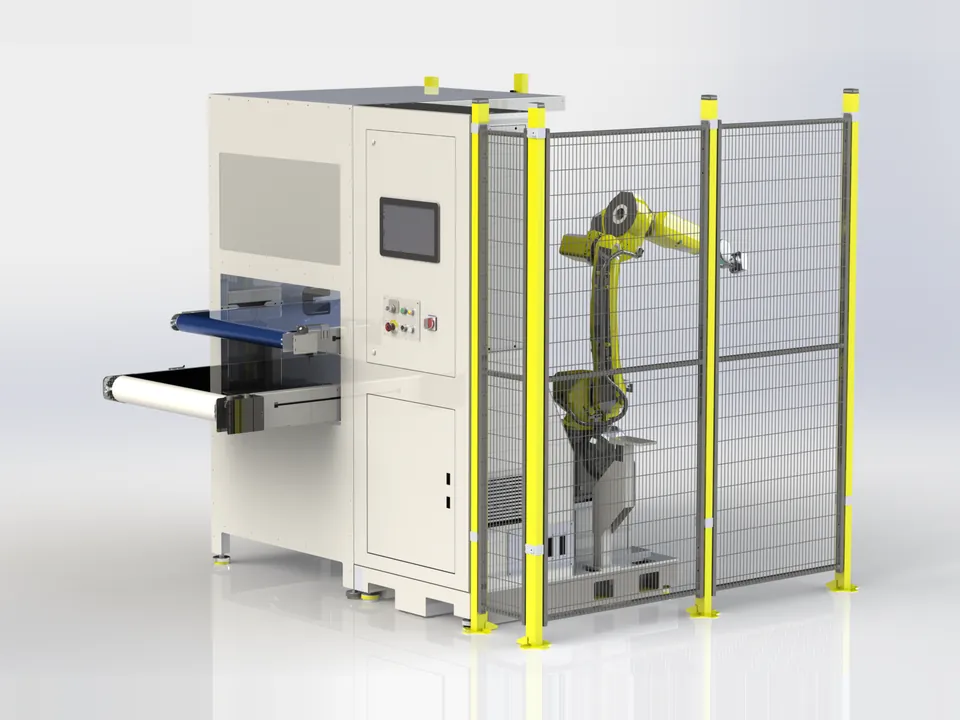
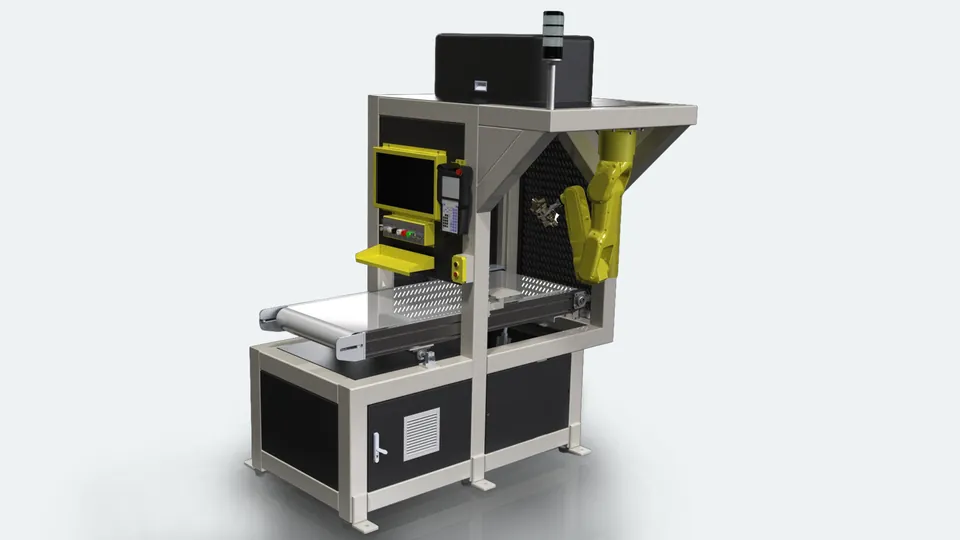
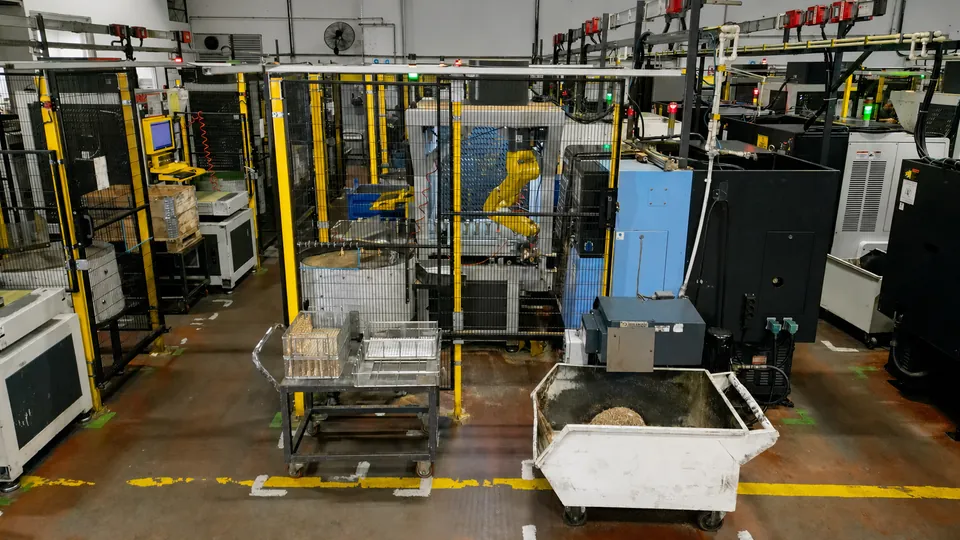
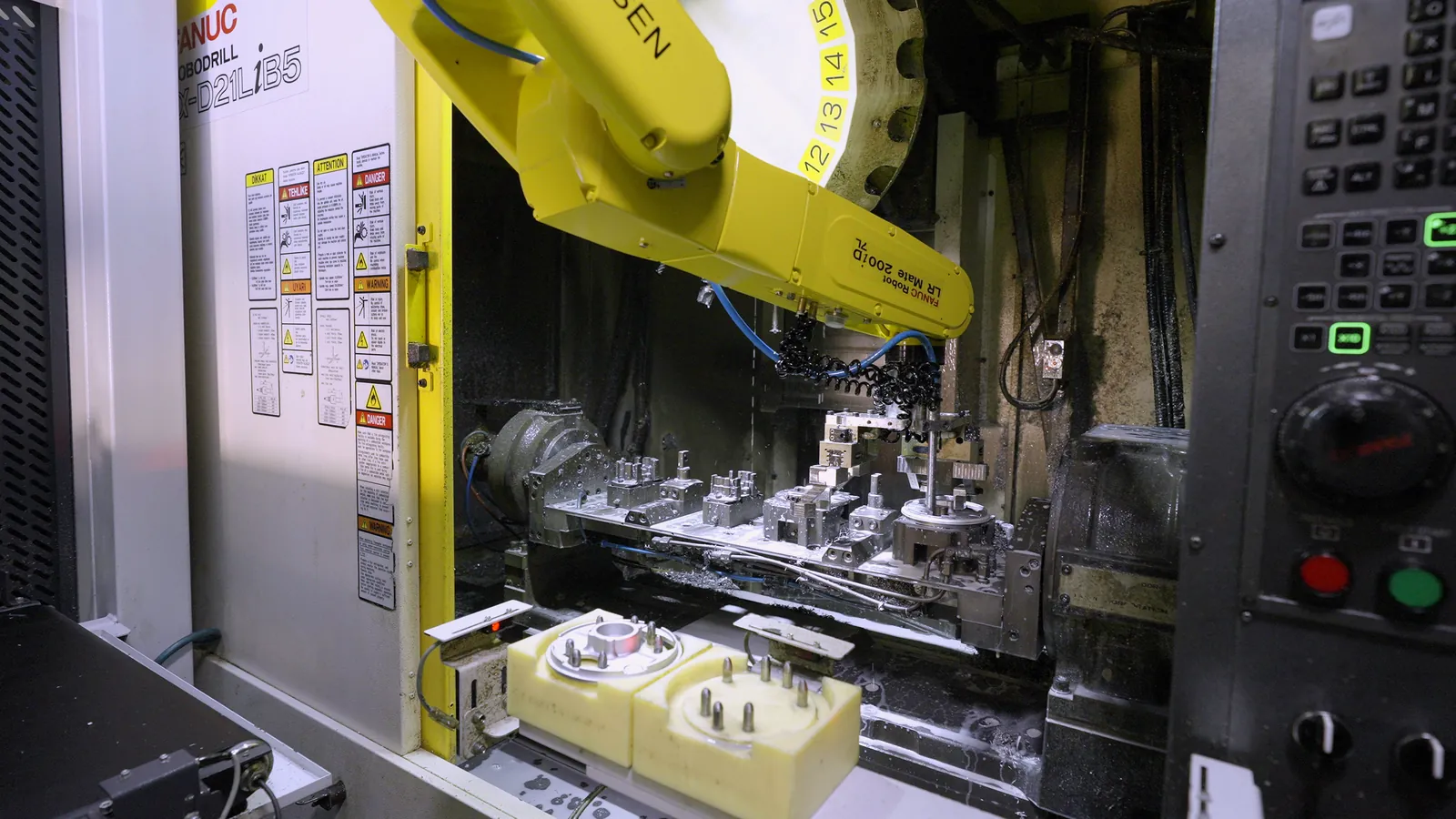
Robot, conveyors, camera and control cabinet on one platform. It stands at the front of your CNC, loads raw parts and unloads finished ones, with no part fixtures.

  • Fixture-free picking with IROVISION
  • Ships as one piece, plug-and-play
  • CE marked, risk analysis included

Why fixture-free

Built for high mix, not just high volume

Most tending systems need a drawer or fixture for every part. That works for one part family. It gets expensive as variants multiply.

Complex geometries

Hot-forged and die-cast parts are hard to fixture. IROVISION locates them as they lie.

More variants

Customers ask for more versions in smaller lots. A new part means a new model on the screen, not new tooling.

Frequent changeovers

Small batches mean many changeovers. Select the taught part and the cell is ready.

No fixture stock

No fixtures to design, build, store or maintain for every part you run.

Four families

Pick the cell for your machine

Jump to M Series · T Series · Plus · Specialized

For machining centers

M Series

Conveyor-based cells, designed first for the FANUC Robodrill and used on many other vertical machining centers. Expandable with wash, leak test, measuring and marking stations.
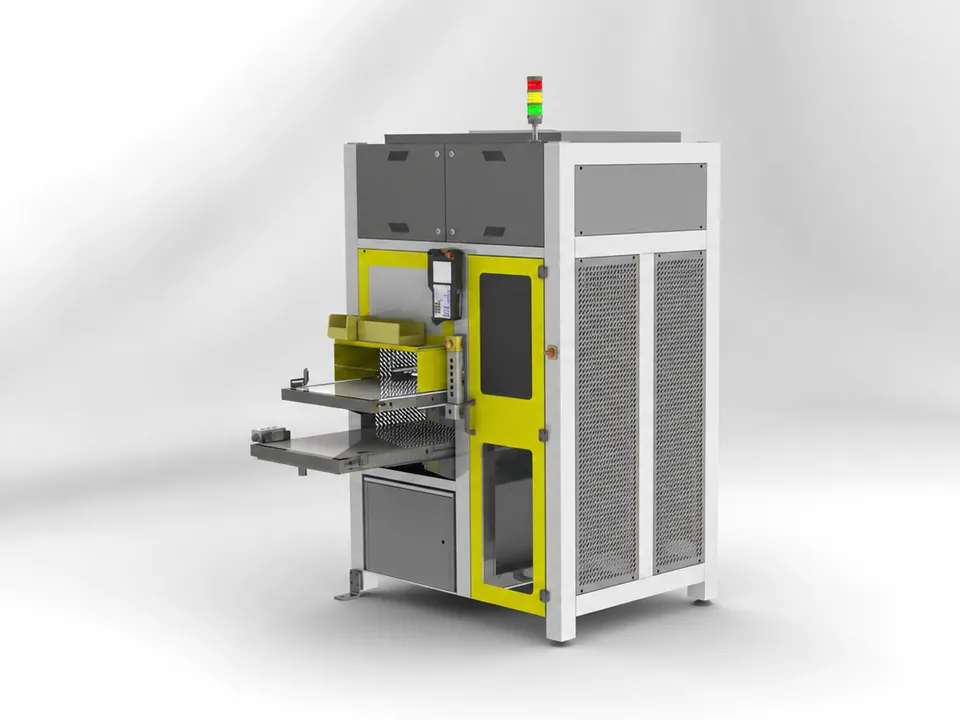
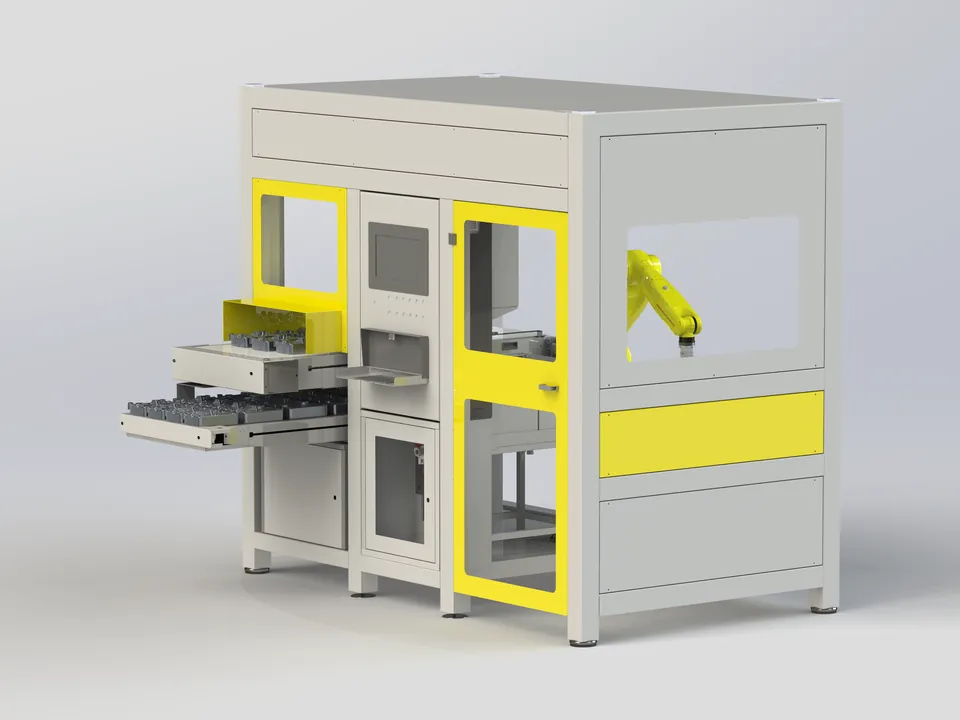
IROCUBE M7 robotic cell, standalone

M7

The most compact IROCUBE, with a ceiling-mounted robot.

Payload
7 kg
Reach
911 mm
Footprint
1,540 × 1,750
Details
IROCUBE M10L robotic cell, perspective view

M10L

Longer conveyors for longer unattended runs.

Payload
10 kg
Reach
1,100 mm
Footprint
2,600 × 2,400
Details
IROCUBE M12L robotic cell

M12L

Two modules, 12 kg, one or two machines.

Payload
12 kg
Reach
1,441 mm
Footprint
2,360 × 2,530
Details

For turning lathes

T Series

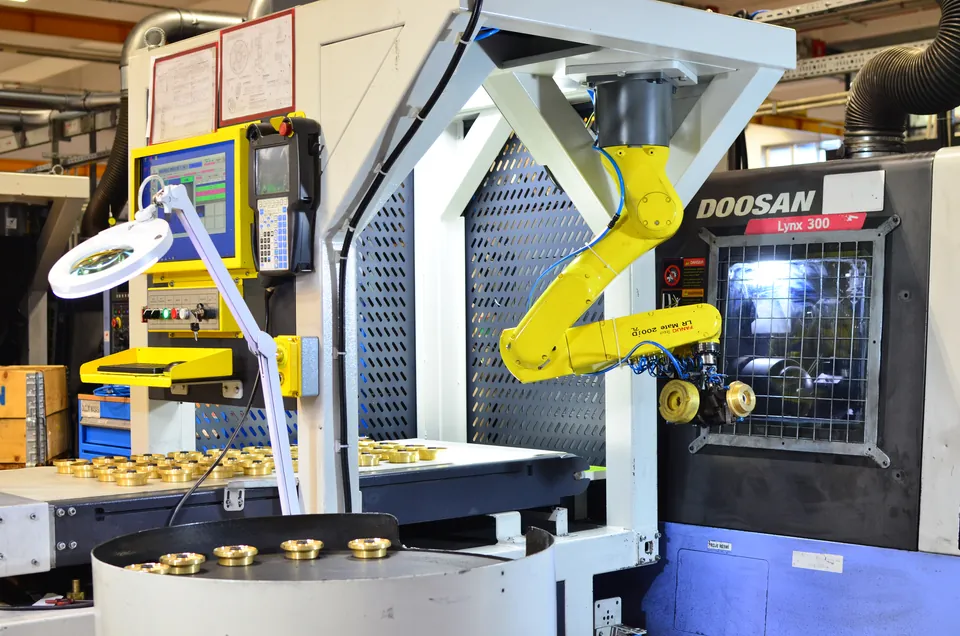
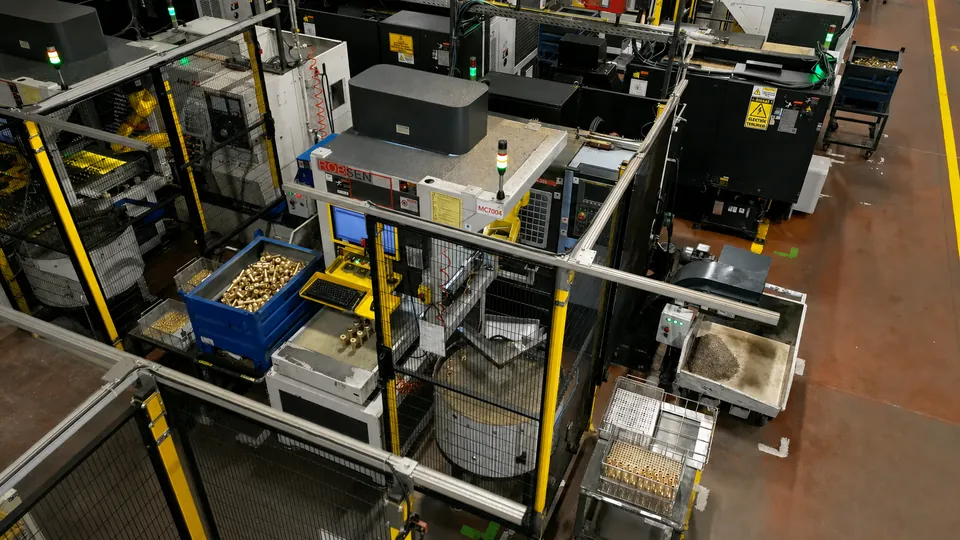
Raw parts on a loading conveyor, IROVISION picking without fixtures, and a compact rotary outfeed conveyor for finished parts. Built into the lathe working envelope; one robot can tend one or two lathes.

IROCUBE T Series cell

T7

Lathe automation inside the lathe's own footprint.

Payload
7 kg
Reach
911 mm
Footprint
—
Details
T Series cell at a Doosan Puma lathe
T Series cell at a CNC lathe, seen from above
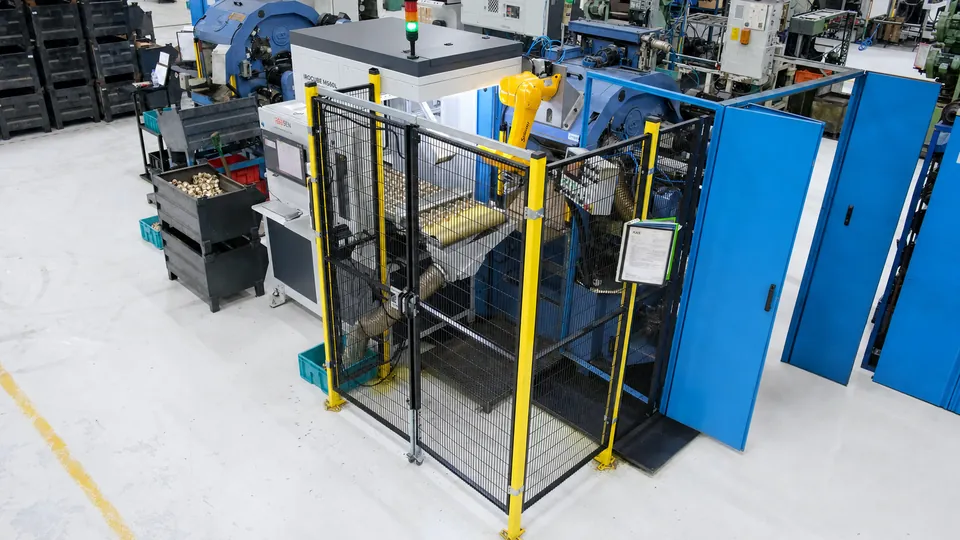
T Series cell behind its guarding at the lathe

Drawer-based compact cell

Plus Series

Fast, compact and cost-effective. The enclosure fits one Euro-pallet area (1,200 × 800 mm) and moves with a pallet jack or forklift, so it can follow the work across the shop floor.
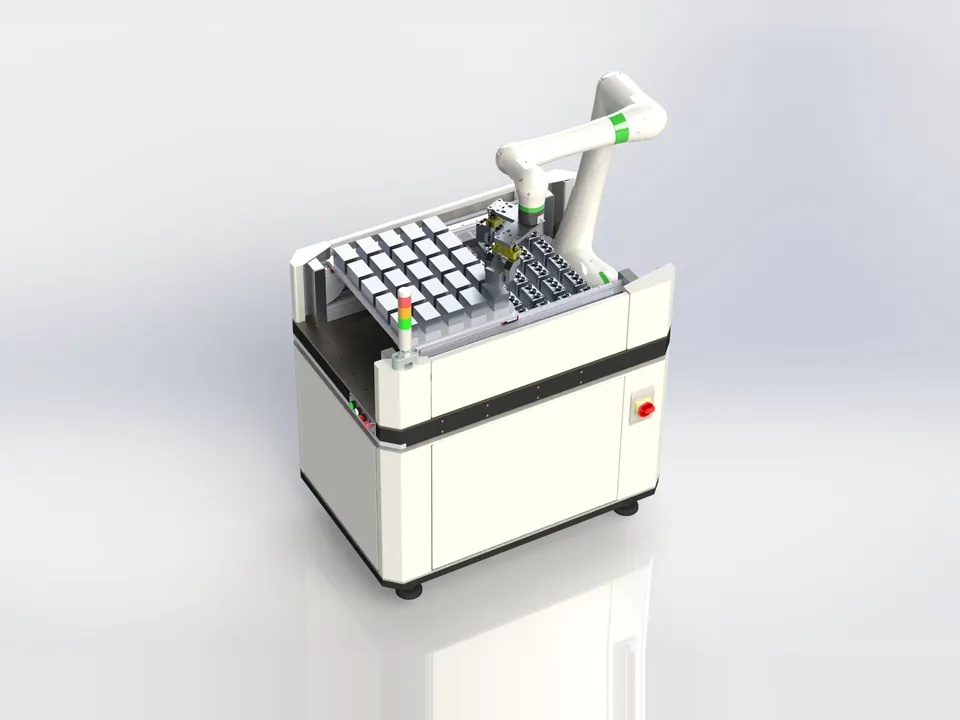
IROCUBE Plus C10 with collaborative robot

Plus C10

Collaborative robot, fence-free safety. Deploy anywhere on the floor.
Payload
10 kg
Footprint
1,200 × 800
Drawers
2+
Ask for details
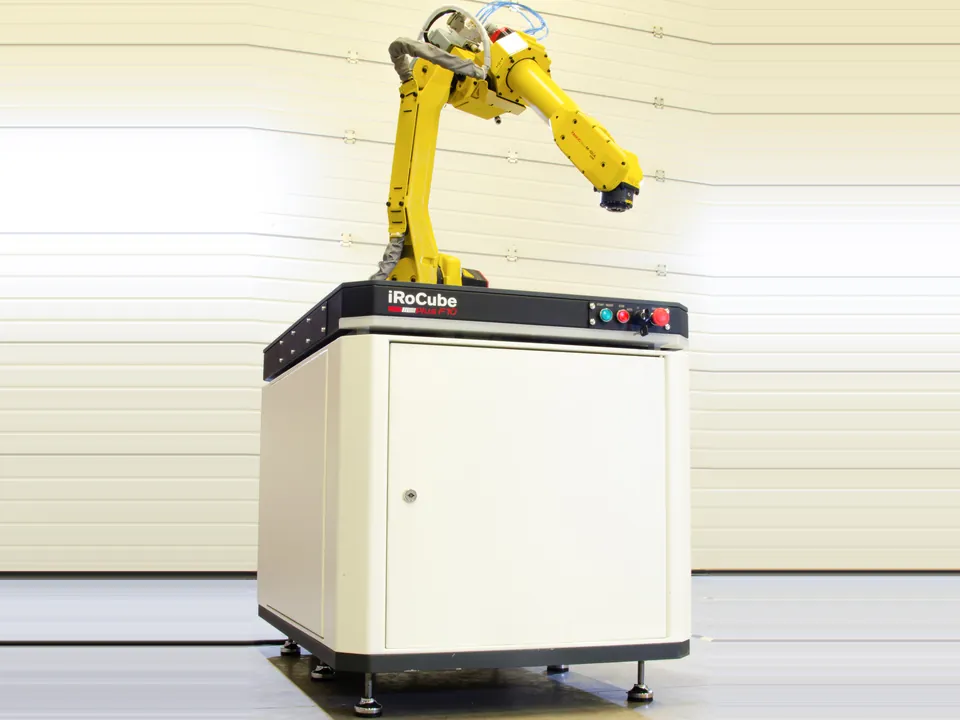
IROCUBE Plus F10 with FANUC robot

Plus F10

FANUC industrial robot for faster cycles in the same compact footprint.

Payload
10 kg
Footprint
1,200 × 800
Drawers
2+
Ask for details
Enclosure (L × W × H)
1,200 × 800 × 1,150 mm
Drawers
2, expandable
Drawer usable area
450 × 600 mm
Drawer pitch
Adjustable to part height
Mobility
Pallet jack / forklift

Plus F10 in production

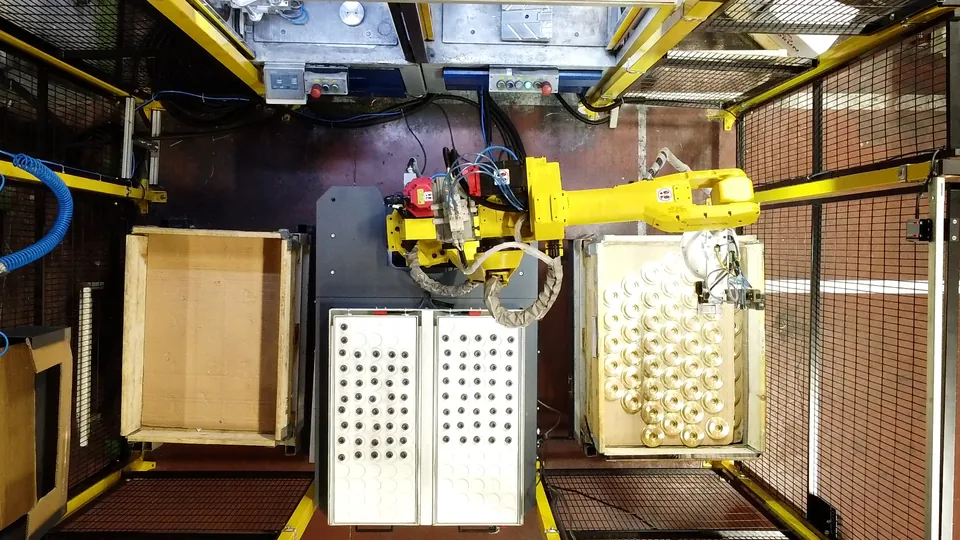
Plus F10 placing parts in the drawer trays, seen from above
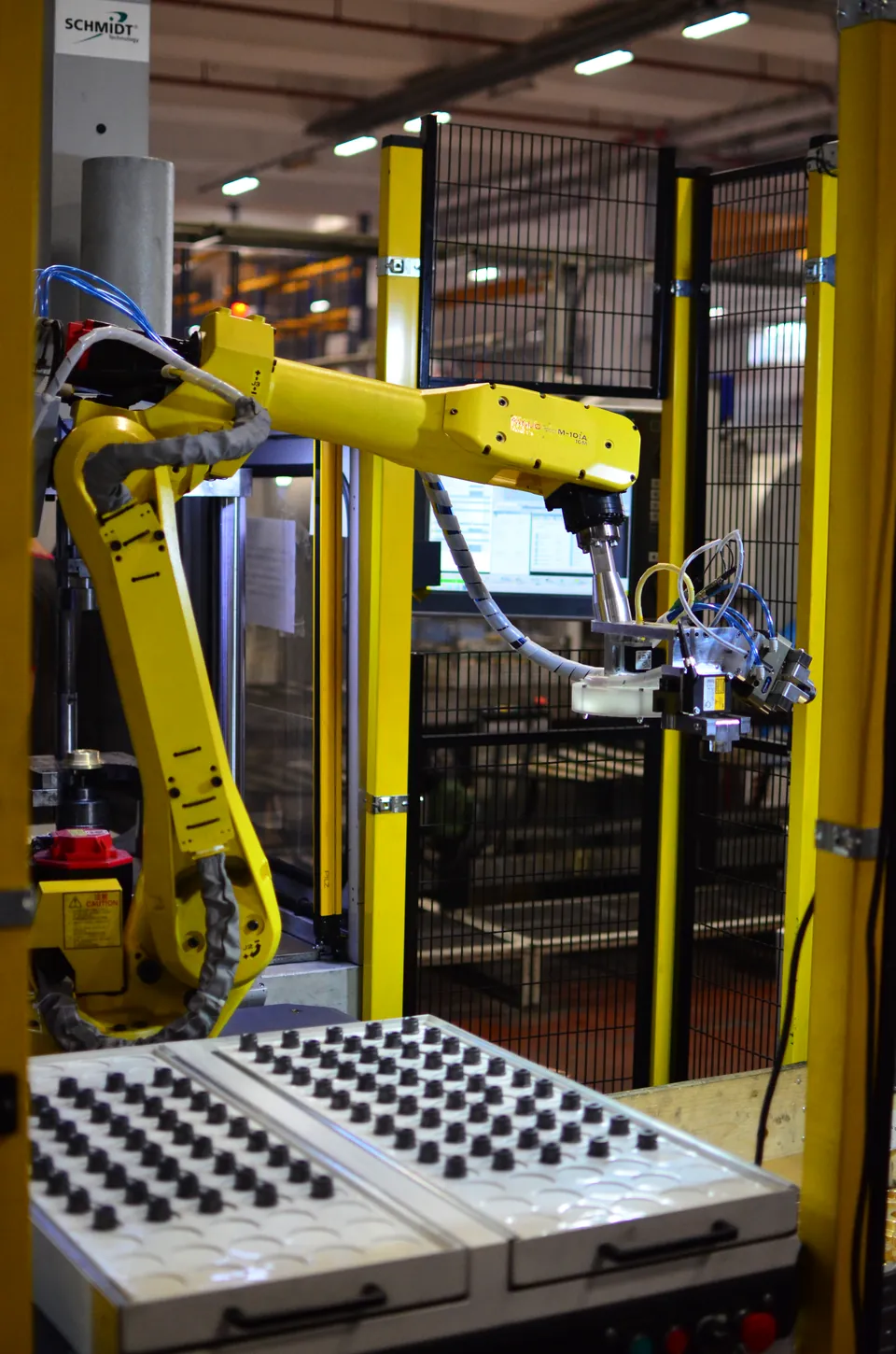
Plus F10 over its part drawers

Engineered for one machine

Specialized

Transfer machines, larger machining centers, dual-robot lines. Built on the IROCUBE platform when a standard cell is not enough.

Discuss a special project
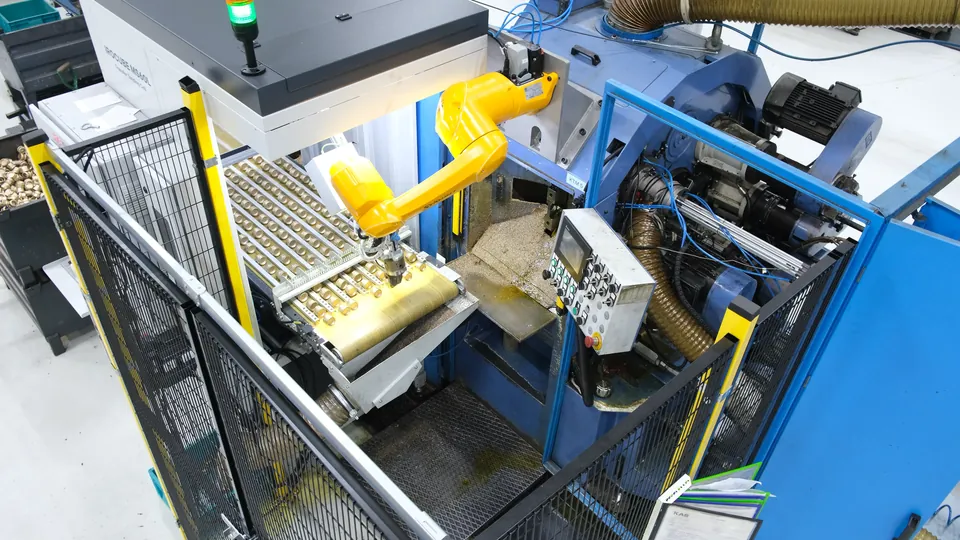
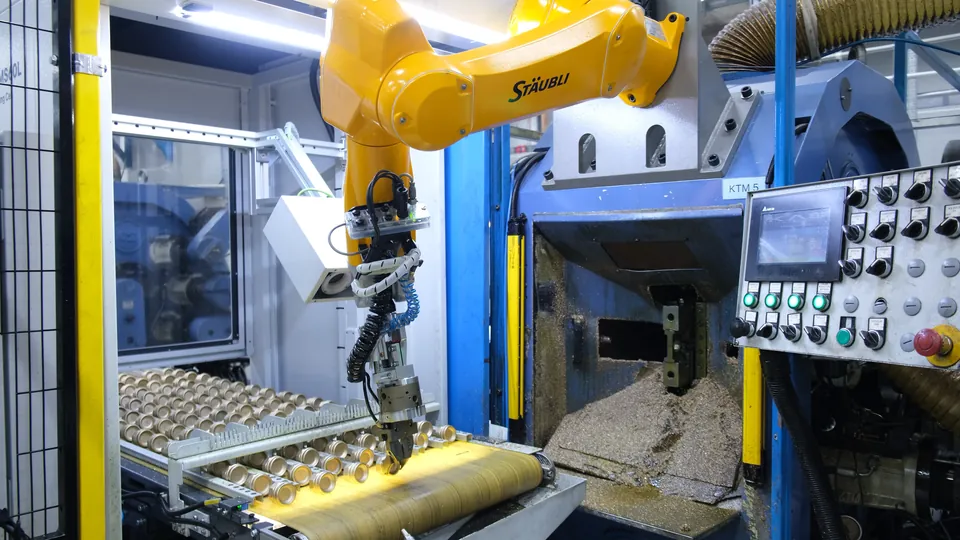
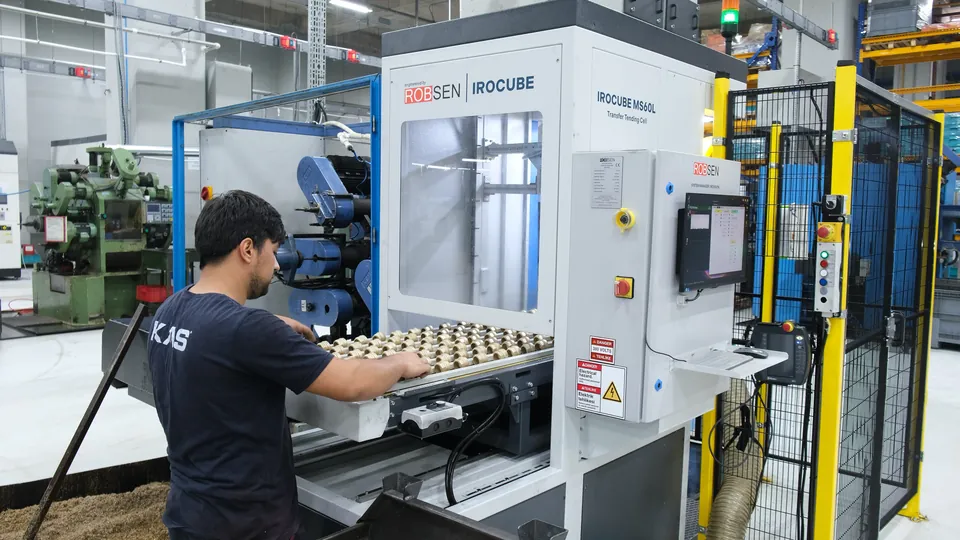
IROCUBE MS60L at a transfer machine

Transfer machine · KAS Group

MS60L

Brass valve parts to a transfer machine every 4.22 s. Stäubli TX2-60L, backlit conveyor, IROVISION at about 83 ms per image.

Picking a located part from the conveyor
IROCUBE MS60L at the transfer machine The operator fills the backlit conveyor

MS60L at KAS Group · 6 photos

All MS60L photos

Beyond the standard models

Your parts don't fit a standard cell?

Heavier parts, a longer reach, two machines with one robot, or extra process steps: we build IROCUBE cells to order on the same platform. Larger robots, such as a 25 kg M25, are a project, not a problem.

  • Heavier partsRobots with higher payloads, sized to your part and gripper.
  • Longer reachLarger machines, larger chucks, longer conveyors.
  • More machinesOne robot tending two machines, or dual-robot lines.
  • More process stepsWashing, deburring, measuring, leak testing, marking.

One single platform

Ships as one piece. Moves when your layout does.

Robot, conveyors and cabinet sit on one welded base frame and fit the neutral area in front of the CNC.
  • Lower transport and relocation cost
  • Plug-and-play commissioning: production starts sooner
  • Less floor space than a fenced robot cell
  • Move the cell when the layout changes
  • Remote support ready for faster ramp-up
IROCUBE M10L robotic cell, perspective view
01Built and tested as one unitRobot, conveyors, camera and control cabinet on one welded base frame, tested at Robsen before it leaves.
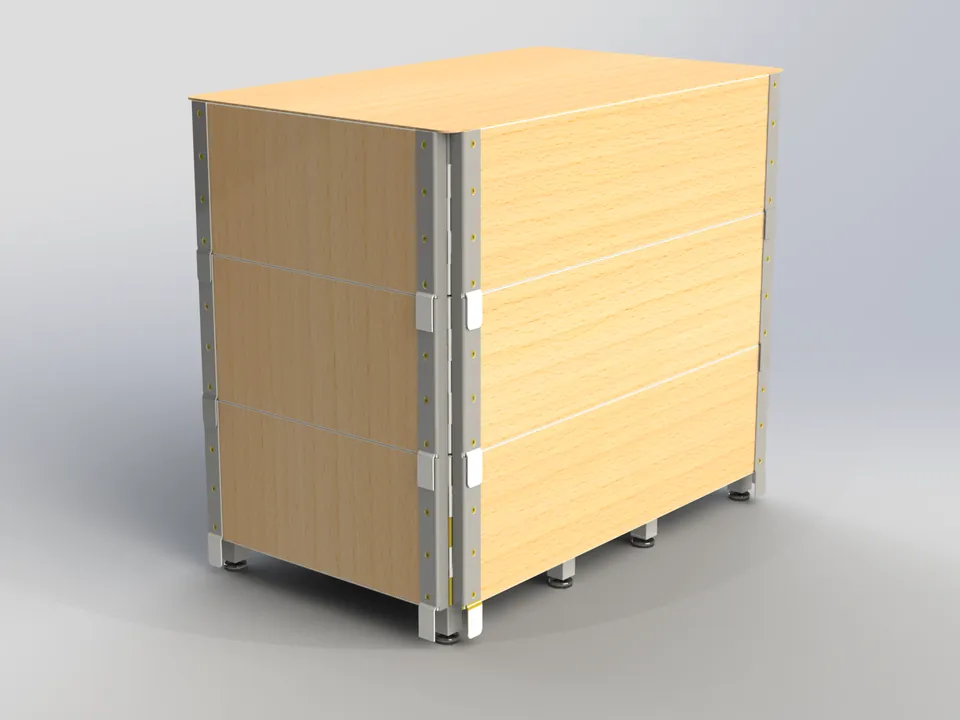
The whole cell in one export crate
02Crated in one pieceThe complete cell goes into one export crate. Nothing is taken apart, nothing is rewired on site.
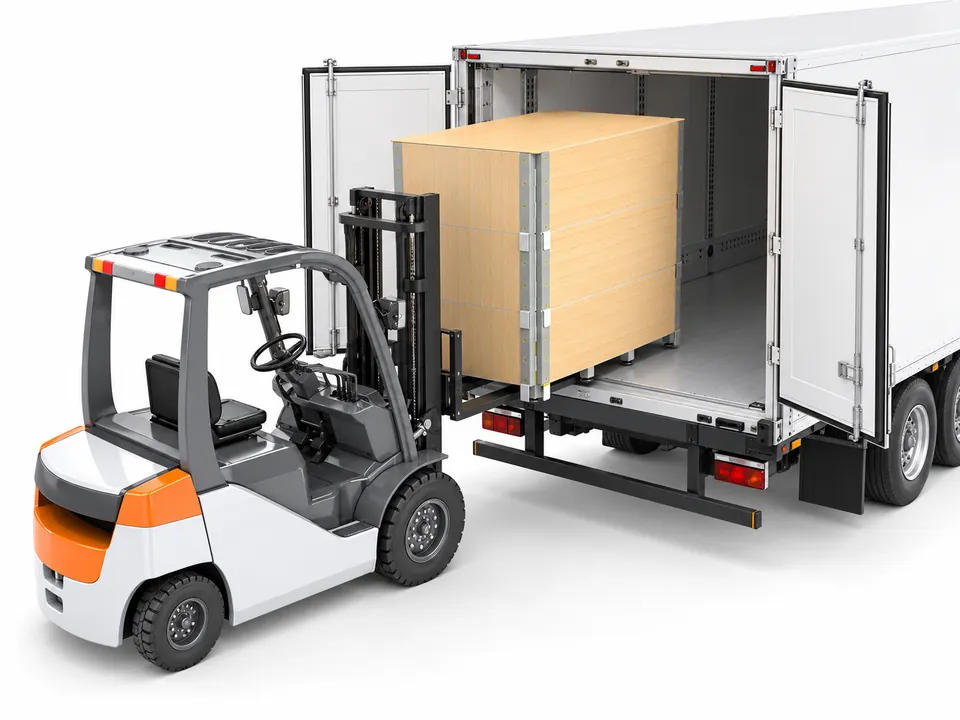
The crated cell goes onto the truck by forklift
03Forklift, truck, your floorA forklift loads it onto the truck. On site it is set down in front of the machine, connected and running.

M Series

Standard equipment

Everything needed to run your first part is included. Fingers and the machine-front positioner are made for one part you choose.

Cell concept

  • Platform designRobot, conveyors, camera, machine-front positioner and process modules sit on one welded steel base frame.
  • Front-face layoutOptimized for FANUC Robodrill. Cells can be lined up side by side along a production line.
  • Robot positioningM7: ceiling-mounted, moves aside for machine setup. M10L and M12L: floor-mounted inside the cell.

Part feeding

  • Loading conveyorThe operator loads raw parts here. Fixed width, length adaptable to your needs.
  • Dual-side illuminationLit from above and below through a light-transmitting belt, so the camera identifies parts accurately.
  • Quick-change beltHinged belt structure. Replaced without dismantling the mechanism.
  • Low-parts signalAn illuminated button flashes yellow when the conveyor runs low. One operator sees which cell needs attention first.
  • Manual jog buttonsMove the conveyor forward and back by hand when needed.

Part unloading

  • Unloading conveyorFinished parts are placed here after machining. Length adaptable.
  • Accumulation alertFlashes yellow when finished parts build up.

IROVISION vision

  • Slider cameraComes with every cell. A single camera moves on a rail above the loading conveyor and stops over each part. You teach a part once, with one camera, and it is located and matched precisely anywhere on the belt.
  • IROVISION licenseOur machine vision software, built on HALCON libraries. Handles different geometries, materials and finishes.
  • Fixture-free feedingParts go straight onto the belt. No fixtures to build or store.
  • Fast changeoverSwitching parts means selecting a taught model on the screen.

Robot

  • 6-axis industrial robotFANUC as standard. The wrist lets one robot serve conveyor, positioner and machine from one position.
  • Communication and safetyIO-Link infrastructure and FANUC DCS (Dual Check Safety).

Gripper

  • Schunk grippersParallel grippers, type and quantity engineered for your part.
  • Fingers for one partFinger design and manufacturing for one part you nominate. More parts are options.

Mechanics

  • Welded steel base frameThe main load-bearing structure.
  • Machine-front positionerThe robot prepares the next part here before the door opens, shortening door-open time. Slides aside for maintenance.

Enclosure and safety

  • Safety enclosureGuarded cell with operator door.
  • Safety devicesLight curtains, safety relays, emergency stops and interlocks.

Automation

  • Touchscreen PCOperator interface for IROVISION and cell control.
  • Control panelBuilt with Schneider Electric, Phoenix Contact, Banner and SICK components.
  • Intelligent power distributionElectronic fusing pinpoints faults quickly and shortens downtime.

Documentation

  • Technical documentationManuals, plus electrical and pneumatic drawings.
  • Risk analysisSafety functions and risk analysis, shared with you. CE marked.

Options

Add what your process needs

Pick options on a model page to add them to your package. Availability depends on the model and your part.

Configure a model
Software and connectivity
  • System ManagerWeb-based HMI: live cell status, production data and OEE, downtime diagnosis, component life tracking. On the touchscreen or any browser.
  • VPN remote accessSecure remote connection for diagnostics, updates and support.
  • ROBOGUIDE simulation licenseFANUC simulation software for your own cycle and path studies.
More parts, more flexibility
  • Additional part kit per partPositioner and robot fingers for each further part you want to run. The first part is standard.
  • Staging positioner with sensor per partAn extra positioner on the machine-front stand, where the robot buffers parts before and after machining.
  • Tool changerSchunk tool changer for automatic changeover between parts and operations, e.g. OP10 / OP20 with one robot.
  • Orientation check cameraA second camera that checks part orientation before loading, for parts that need it.
  • Volumetric seating check per jawVerifies the part is seated correctly in the chuck jaw.
Conveyors and output
  • Extended conveyorsLoad 2,500 mm, unload 3,000 mm (600 mm wide). Longer unattended runs.
  • Long-range conveyorsLoad 3,250 mm, unload 4,000 mm (600 mm wide). For the longest runs.
  • Pallet unloading unitStacks finished parts on a pallet. Both conveyors can then be used for loading, more than doubling input capacity.
  • Conveyor cleaning brushKeeps chips and coolant residue off the belt.
Process stations
  • Rinse and dry, manualSimple rinse tank with air drying. Manual fill and drain.
  • Rinse and dry, circulationRinse tank with pump circulation and removable filter. Adjustable air knives for drying.
  • Full wash stationIntegrated washing before leak testing, measuring or packing.
  • Deburring stationRobotic deburring inside the cell after machining.
  • Leak testChecks the sealing integrity of machined parts in the cell.
  • Laser marking with vision checkMarks a code on each part and verifies it with a camera for traceability.
  • Dimension check cameraMeasures critical dimensions inline with IROVISION.
Cell equipment
  • Pendant cable collectorKeeps the teach pendant cable off the floor.
  • Panel air conditionerRittal cooling unit for plants with high ambient temperature.
Training
  • Fixture and finger design trainingFor your design team: robot finger and fixture design principles.
  • Robot simulation trainingCycle time and path studies in simulation.

Not sure which cell fits?

Send us your part and machine

We check reach, cycle time and layout, then suggest the right cell, often with a ROBOGUIDE simulation.

Ask an engineer

Several machines?

Look at IROCUBE Mobile

One cobot on an autonomous mobile robot can tend several machines with long cycle times.

Explore Mobile